
Analysis of the Anti-Aging Mechanism of Urolithin A: Why is it considered a next-generation anti-aging nutrient?
I. Background: Urolithin A is not directly present in food
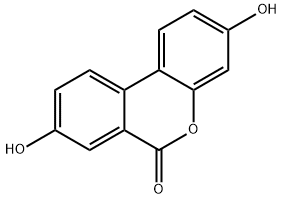
Urolithin A (UA) is a compound produced by the metabolism of gut microbiota. When the body ingests foods rich in **ellagitannins or ellagic acid** (such as pomegranates, strawberries, walnuts, etc.), urolithin A may be generated with the participation of specific gut microbiota.
Studies show that only about 40% of the population has the ability to stably generate urolithin A, and this percentage decreases further with age. This limitation makes "direct supplementation of urolithin A" a key focus of scientific research and industry.
II. Core Anti-Aging Mechanism: Targeting Mitophagy
The key reason why urolithin A is considered a "next-generation anti-aging nutrient" is its clear action on mitophagy, a core mechanism of aging.
Mitochondria are the center of cellular energy metabolism. As we age, damaged mitochondria accumulate and their clearance efficiency declines, leading to energy deficiency, increased oxidative stress, and tissue dysfunction.
Mitolithiasis is a crucial pathway for cells to clear dysfunctional mitochondria and maintain energy system renewal.
A 2016 study published in *Nature Medicine* systematically demonstrated for the first time that:
- Urolithin A can significantly activate mitolithiasis
- Extends lifespan by approximately 45% in a nematode model
- Significantly improves muscle endurance and exercise capacity in a mouse model
This discovery makes urolithin A the first scientifically validated natural mitolithiasis promoter.
III. From Life Extension to Function Maintenance
Unlike traditional anti-aging ingredients that primarily focus on scavenging free radicals or providing short-term antioxidant effects, research on urolithin A focuses more on regulating the root causes of functional decline.
In various animal models and human studies, urolithin A has been shown to be closely related to the following processes:
- Maintaining the energy metabolism efficiency of muscle cells
- Delaying age-related physical decline
- Improving tissue adaptability to metabolism and stress
This has led to a shift in its role in anti-aging from a "lifespan extension indicator" to supporting healthy aging.
IV. Expanding Anti-Aging Mechanisms: Regulation of Inflammation and Aging Signals
Recent studies have found that the anti-aging effects of urolithin A are not limited to the mitochondrial level but also involve the regulation of cellular aging signaling networks.
1. Inhibition of Senescence-Associated Secretory Phenotype (SASP)
Sensitive cells secrete various pro-inflammatory factors, accelerating the functional decline of surrounding cells.
Urolithin A can reduce the release of SASP-related factors, weakening the "paracrine aging" effect.
2. Regulation of the cGAS–STING Inflammatory Pathway
Urolithin A can reduce cytoplasmic DNA accumulation and inhibit abnormal activation of the cGAS–STING pathway, thereby alleviating chronic inflammation.
3. Antioxidant and Inflammatory Signaling Balance
Studies show that urolithin A can activate the Nrf2 antioxidant pathway and inhibit NF-κB inflammatory signaling, providing cells with a more stable internal environment.
These multi-layered mechanisms make urolithin A a systemic aging regulator, rather than a single functional component.
V. Research Directions and Potential Applications
Based on existing research, urolithin A shows high application potential in the following areas:
Muscle Health and Athletic Performance
Human studies show that urolithin A supplementation in middle-aged and elderly individuals can improve muscle strength and endurance indicators.
Metabolic and Body Fat Management
Animal and early clinical studies suggest that it may participate in lipid metabolism regulation and affect gut microbiota structure.
Skin Aging and Photodamage Protection
Studies have found that urolithin A can support collagen homeostasis and reduce inflammation-related skin aging.
Joint and Nervous System Health
In arthritis models and neuroinflammation studies, urolithin A has shown the potential to regulate mitochondrial function and inflammatory responses.
VI. Supplementation Methods and Safety
Since the production of urolithin A is highly dependent on the individual's gut microbiota, relying solely on dietary precursors cannot guarantee a stable and effective level.
Studies have shown that:
When the daily supplementation dose is below 500 mg, its effects on improving athletic performance and mitochondrial function are limited.
Within the range of 500–1000 mg/day, it is well-tolerated in humans, and no significant safety issues have been observed.
Currently, urolithin A has completed multiple toxicological and human safety assessments and has been recognized as a GRAS (Generally Recognized As Safe) ingredient by the US FDA, entering the stage of application in functional nutrition and dietary supplements.
Summary
From an industry perspective, the value of urolithin A lies not in its "single effect," but in its:
- A clearly defined and reproducible mitophagy mechanism
- Basic biological support covering multiple systems including muscle, metabolism, and skin
- Aligns with the development direction of anti-aging research from "life extension" to "functional maintenance"
- This is also the core reason why urolithin A is considered an important component of next-generation anti-aging nutrition.
As a supplier specializing in functional raw materials and natural active ingredients, YTBIO is committed to providing reliable urolithin A raw materials and technical support to food, dietary supplement, and health product brands.
For information on urolithin A raw material specifications, applications, or related technical information, please contact the YTBIO team.
Email: sales@sxytbio.com
References
Ryu, D., Mouchiroud, L., Andreux, P. A., et al. (2016). Urolithin A induces mitophagy and prolongs lifespan in C. elegans and increases muscle function in rodents. Nature Medicine, 22(8), 879–888.
D’Amico, D., Andreux, P. A., Valdés, P., Singh, A., Rinsch, C., & Auwerx, J. (2021). Impact of the natural compound urolithin A on health, disease, and aging. Trends in Molecular Medicine, 27(7), 687–699.
Singh, A., D’Amico, D., Andreux, P. A., et al. (2022). Urolithin A improves muscle strength, exercise performance, and biomarkers of mitochondrial health in a randomized trial in middle-aged adults. Cell Reports Medicine, 3(5), 100633.
Singh, A., D’Amico, D., Andreux, P. A., et al. (2022). Direct supplementation with urolithin A overcomes limitations of dietary exposure and gut microbiome variability in healthy adults. European Journal of Clinical Nutrition, 76(2), 297–308.